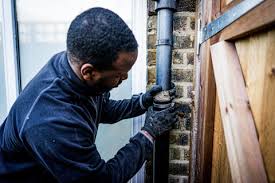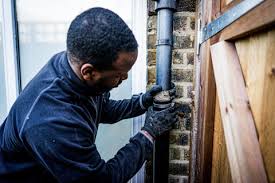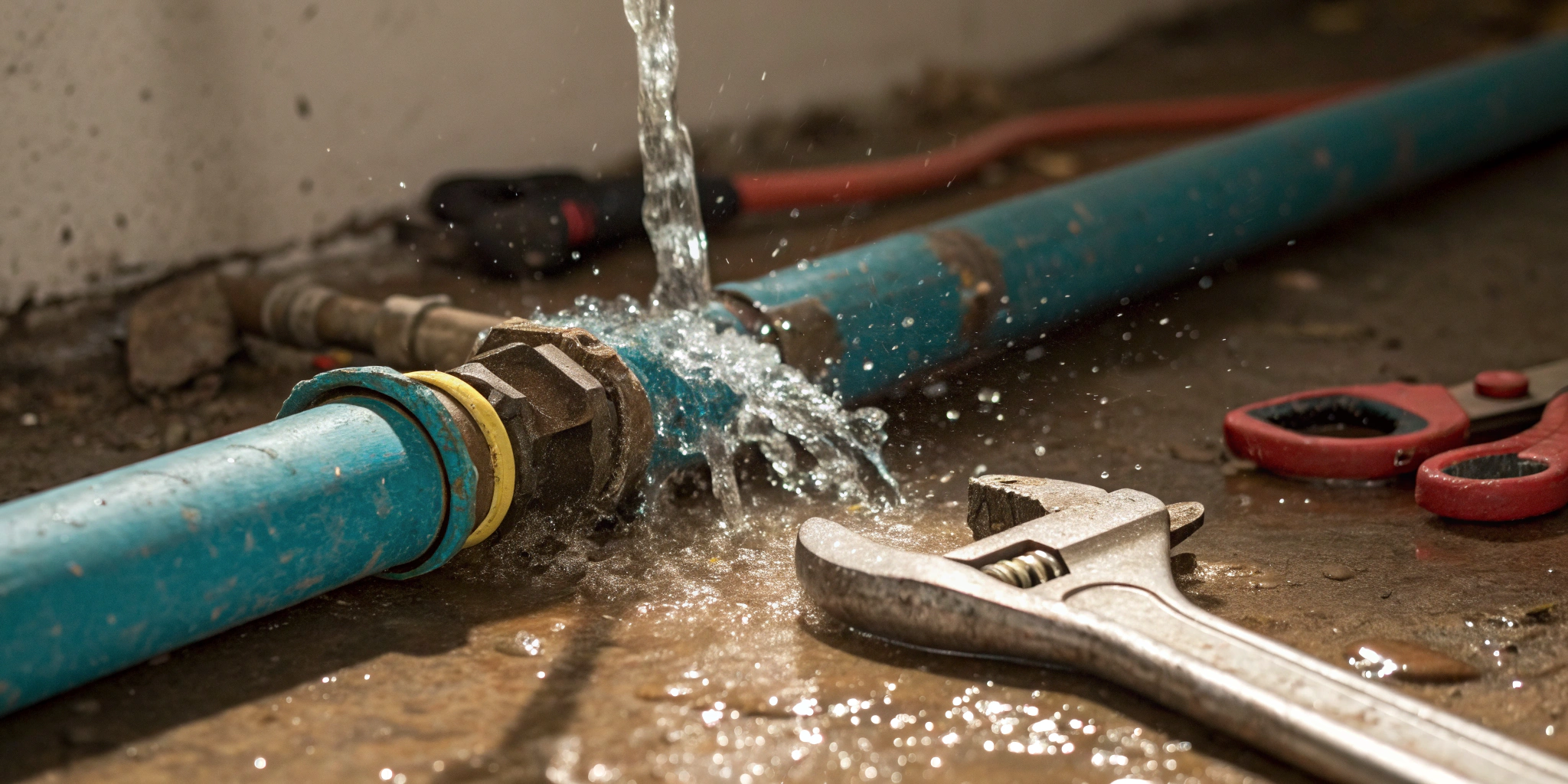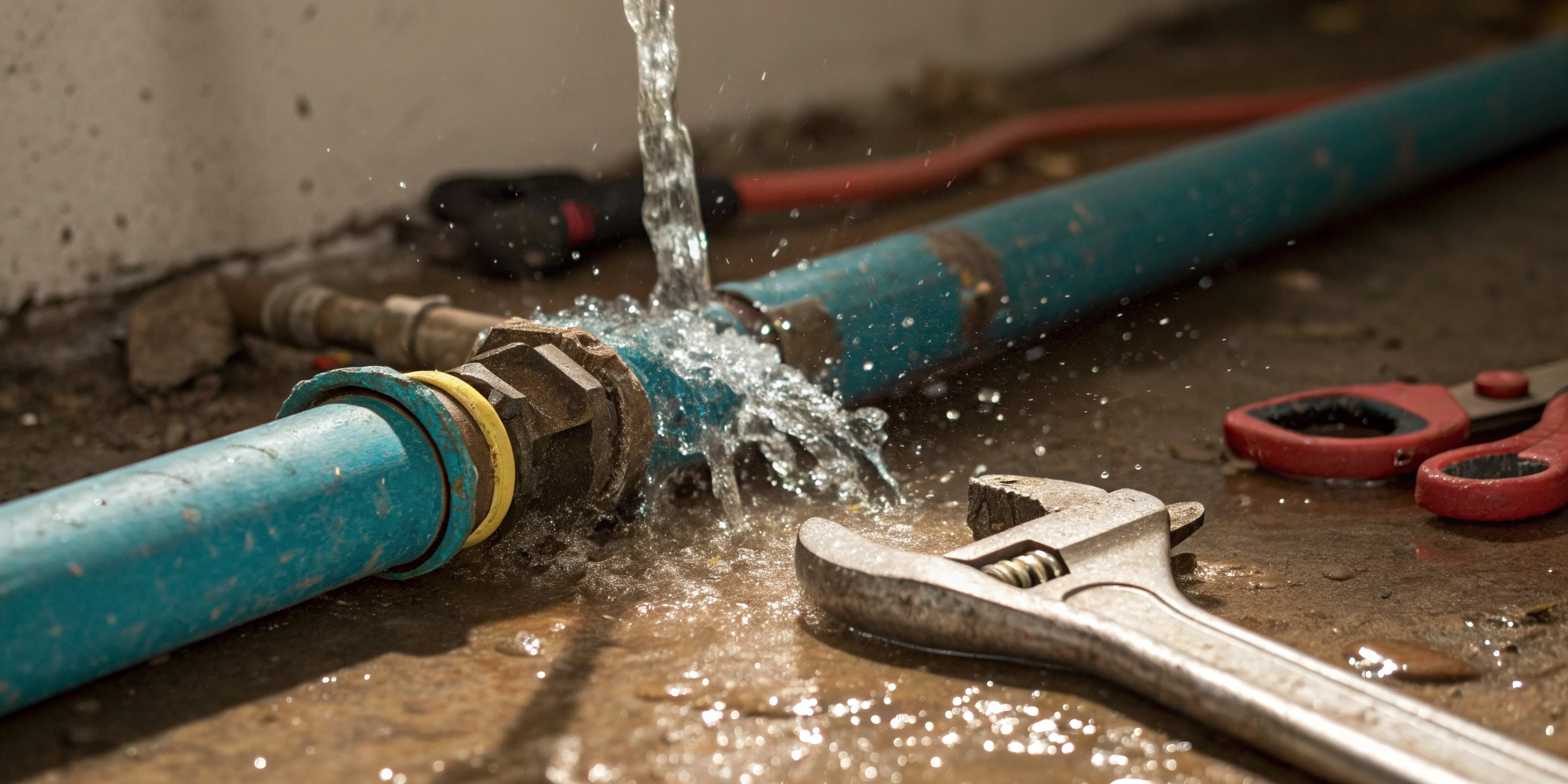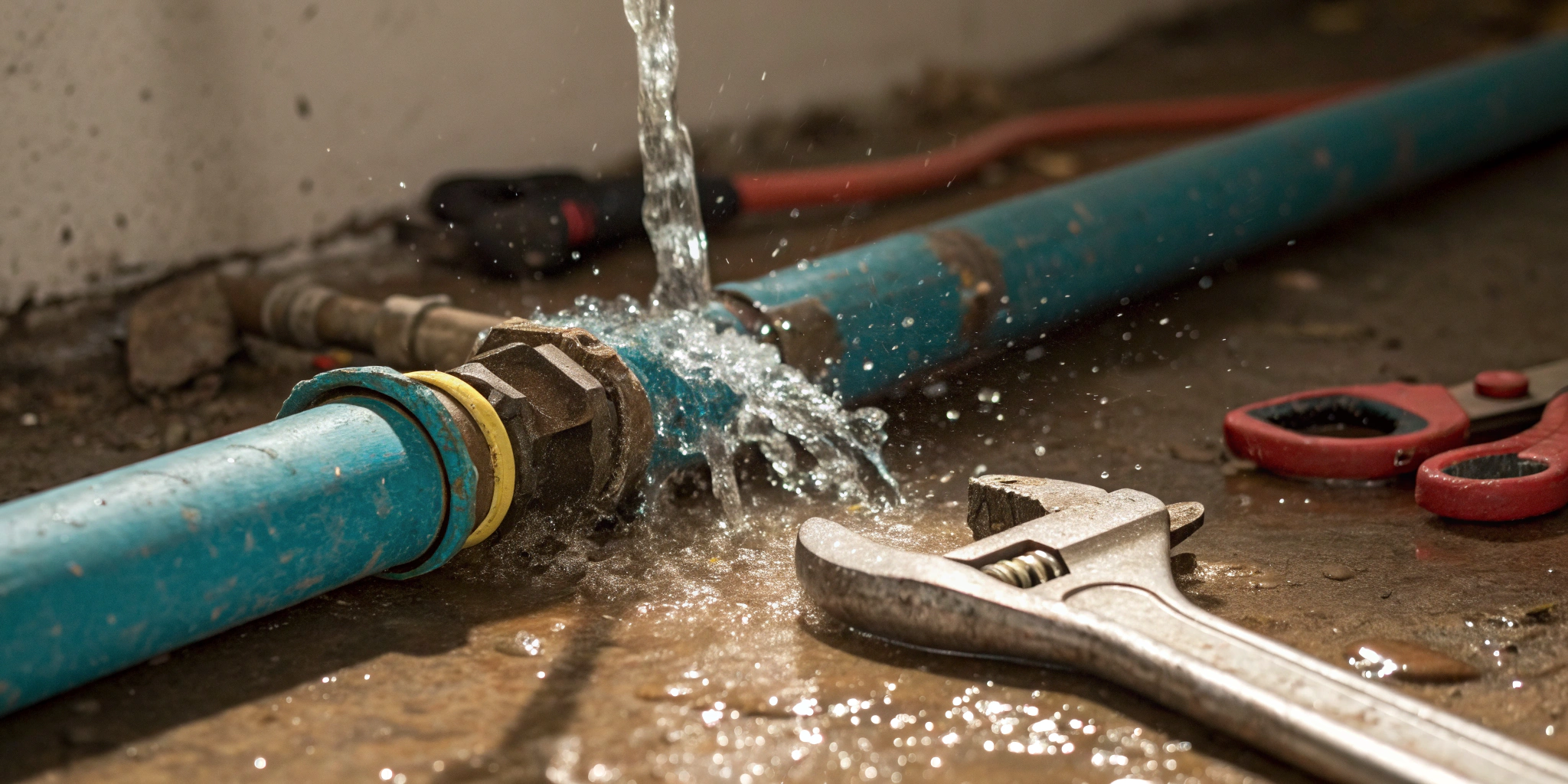


When most Kenyans hear the word plumbing, they picture someone fixing a leaking sink, replacing a tap, or unblocking a toilet in an apartment somewhere in Buruburu, Umoja, or South B. That kind of work is important, no doubt. But there is another side of plumbing that many students and fundis do not hear about early enough: industrial plumbing.
Walk through Industrial Area in Nairobi, the EPZ in Athi River, the factories in Thika, or the processing plants around Nakuru, and plumbing looks very different. You will see large steel pipes, pumps, boilers, steam lines, tanks, valves, and systems that keep entire factories running. This is not the world of small bathroom repairs. It is heavier, more technical, and more demanding.
It can also be a strong career path for plumbers who want steady contracts, better pay, and work that goes beyond household emergencies.
What Industrial Plumbing Really Involves
Industrial plumbing is mainly about moving fluids and gases safely within factories, plants, and large facilities. That can include water, steam, compressed air, fuel, chemicals, wastewater, and other process materials.
In a dairy plant, you may install stainless steel lines for clean water. In a tea factory in Kericho, you may work around boilers and steam pipes. In a flower farm near Naivasha, you may handle irrigation lines, pumps, and water treatment systems. In Mombasa, port-related and manufacturing work may involve corrosion-resistant piping because of the salty coastal environment.
The work is more technical than residential plumbing. You may need to read P&ID drawings, understand pressure ratings, install valves, test lines, and work closely with welders, mechanical technicians, and engineers. A leaking pipe in a home is a problem. A leaking steam or chemical line in a factory can stop production or cause serious safety risks.
How to Start an Industrial Plumbing Career
Most colleges in Kenya do not offer a course specifically called industrial plumbing. Many people enter the field through normal plumbing training, then add extra skills.
A good starting point is a NITA Grade II or Grade I certificate, or a TVET Craft Certificate in Plumbing. These qualifications give you a proper foundation in pipework, fittings, measurements, drainage, and water systems.
From there, build skills that matter in industrial sites. Welding is a big one. Even basic arc welding can help, especially when working with pipe supports, brackets, steel lines, or fabrication teams. Learning how to read technical drawings is also important. In industrial work, you will meet drawings that are more detailed than ordinary house plans.
Pump knowledge also helps. Factories depend on pumps for water supply, cooling, dosing, drainage, and production processes. If you can install, service, align, and troubleshoot pumps, you become much more valuable.
Safety Training Is Not Optional
Industrial sites take safety seriously. You cannot walk into a plant in slippers and a dustcoat and expect to start work. Safety boots, helmets, gloves, goggles, and reflectors are basic.
Some sites require safety induction before allowing workers in. Others may ask for first aid training, confined space awareness, medical clearance, or specific permits before certain jobs begin. If you are working near boilers, chemicals, tanks, or high-pressure lines, shortcuts are not tolerated.
This is where many residential plumbers struggle when they first enter industrial work. In homes, people sometimes improvise. In factories, procedures matter. Lock-out tag-out, permits, pressure tests, and written records are part of the job.
The plumber who follows safety rules carefully is the one who lasts.
Where Industrial Plumbing Jobs Are Found in Kenya
Industrial plumbing jobs are common around manufacturing and processing zones.
In Nairobi and Athi River, areas like Industrial Area, Mlolongo, and the EPZ have food processors, chemical plants, steel works, plastics companies, and warehouses. These places need regular maintenance and upgrades.
Thika and Ruiru have factories dealing with food, beverages, leather, metalwork, and packaging. Some of these plants use older systems, so repair and replacement work can be steady.
Mombasa has port operations, oil-related facilities, manufacturing zones, and marine-linked work. Because of humidity and salt air, corrosion control is a big part of the job.
Nakuru, Eldoret, Kisumu, Kericho, and Nandi also offer opportunities, especially in agro-processing, tea factories, milk plants, grain mills, and flower farms. Around Naivasha and Olkaria, geothermal and large-scale irrigation systems create another kind of technical exposure.
These jobs may not always be advertised as “industrial plumber.” Look for titles such as plant technician, maintenance plumber, pipe fitter, mechanical technician, or plumbing technician.
Working With Maintenance Teams and Contractors
One of the easiest ways into industrial plumbing is through maintenance departments. Many factories have in-house teams that handle leaks, valves, pumps, steam lines, tanks, and water systems.
You may start with routine work, such as changing valves, repairing leaks, cleaning strainers, or servicing pumps. It may not look glamorous, but it gets you inside the plant. Once you understand how the systems work, bigger opportunities open up.
Mechanical contractors are another route. These are companies hired to install pumps, boilers, fire lines, process piping, and water systems during factory upgrades or shutdowns. The work can be intense, especially when a plant stops production for only a few days and everything must be completed quickly.
If you are serious, visit these companies with a simple CV, your certificates, and a clear explanation of what you can do. Many foremen prefer someone who already understands plumbing basics and is willing to learn industrial systems.
Skills That Make You Stand Out
Industrial plumbing rewards technicians who keep learning. Drawing interpretation is one of the most valuable skills. If you can read layouts, isometric drawings, and basic P&ID symbols, supervisors will trust you with more responsibility.
Documentation also matters. You may need to fill job cards, material lists, test reports, and maintenance records. Write clearly and keep your paperwork organised. It may sound boring, but in factories, records protect everyone.
A strong attitude also helps. Industrial work can involve night shifts, weekend shutdowns, hot boiler rooms, climbing tanks, and working far from home. Someone who complains about every difficult task will not last long.
Pay and Career Growth
Industrial plumbing can pay better than ordinary repair work, especially once you gain experience. Entry-level maintenance plumbers may start modestly, but skilled pipe fitters, pump technicians, and shutdown workers can earn much more through contracts and specialized jobs.
With time, you can grow from plumber to senior technician, supervisor, maintenance coordinator, or project lead. If you later study mechanical engineering, building services, or plant maintenance, you can move into more technical or managerial roles.
Some experienced industrial plumbers eventually start small companies and bid for factory maintenance contracts. At that point, having proper business registration, KRA compliance, NCA registration, and a professional profile becomes important.
Online visibility can also support that growth. A platform like The Real Plug helps vetted professionals show their experience, certifications, and past work in one place, which can be useful when approaching companies or clients who do not already know you.
Is Industrial Plumbing Worth It?
Industrial plumbing is not for everyone. The work is physical, the rules are strict, and the learning curve can be steep. You may work late nights during factory shutdowns or travel to plants far from home.
But for plumbers who want to grow beyond domestic repairs, it is one of the strongest paths available. Kenya’s factories, farms, processing plants, energy projects, and industrial parks all depend on water, steam, pressure systems, pumps, and reliable piping.
If you are patient, skilled, safety-conscious, and willing to keep learning, industrial plumbing can build a career that lasts. You may start with small repairs, but with the right training and exposure, you can move into plant maintenance, process piping, and serious contract work.
The factories are not going anywhere. They will always need people who understand how to keep systems running.