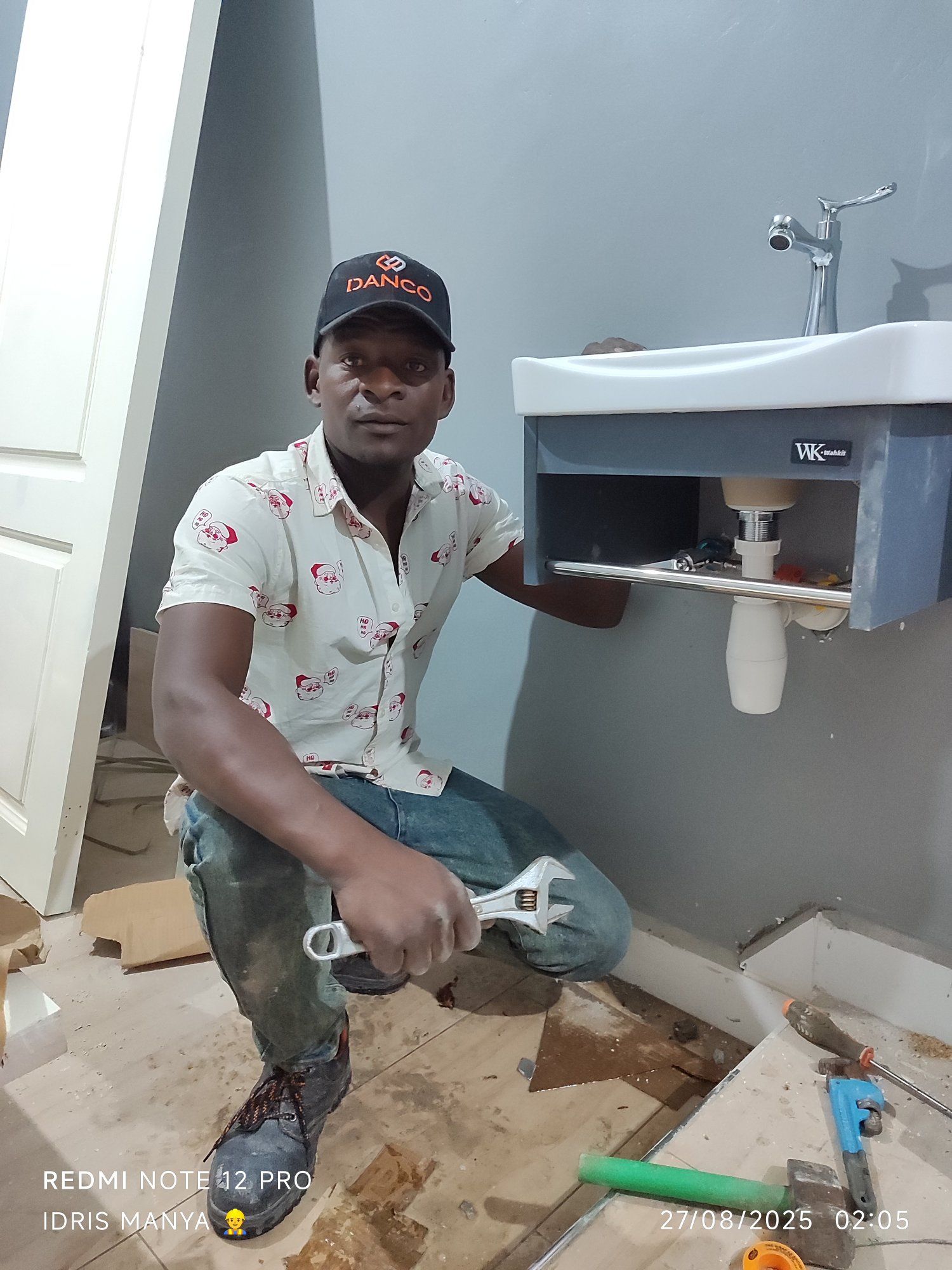


Hotels and resorts in Kenya run on comfort. A guest may forgive slow Wi-Fi, maybe even a delayed meal, but cold shower water at 5 a.m.? That complaint will reach reception very quickly.
From beach resorts in Diani and Watamu to safari lodges in Maasai Mara, business hotels in Westlands, and lakeside hotels in Naivasha, plumbing is part of daily survival. Water must flow, drains must clear, kitchens must run, pools must stay clean, and guest rooms must remain usable.
For plumbers who want more consistent work than one-off house repairs, the hospitality sector can be a serious opportunity. It is demanding, yes, but it can also pay well and lead to long-term contracts.
Why Hotel Plumbing Is Different
A home may have two or three bathrooms. A hotel can have 40, 80, or even 200 rooms, plus kitchens, laundry areas, staff quarters, gardens, swimming pools, and restaurants. Everything depends on water and drainage.
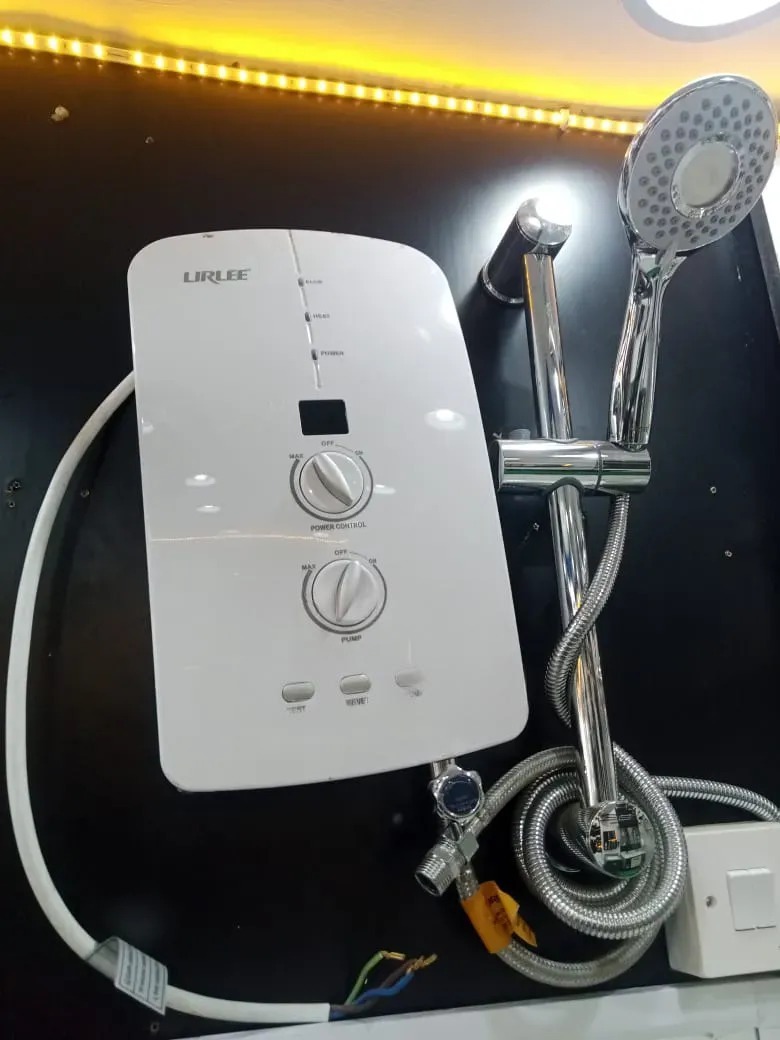
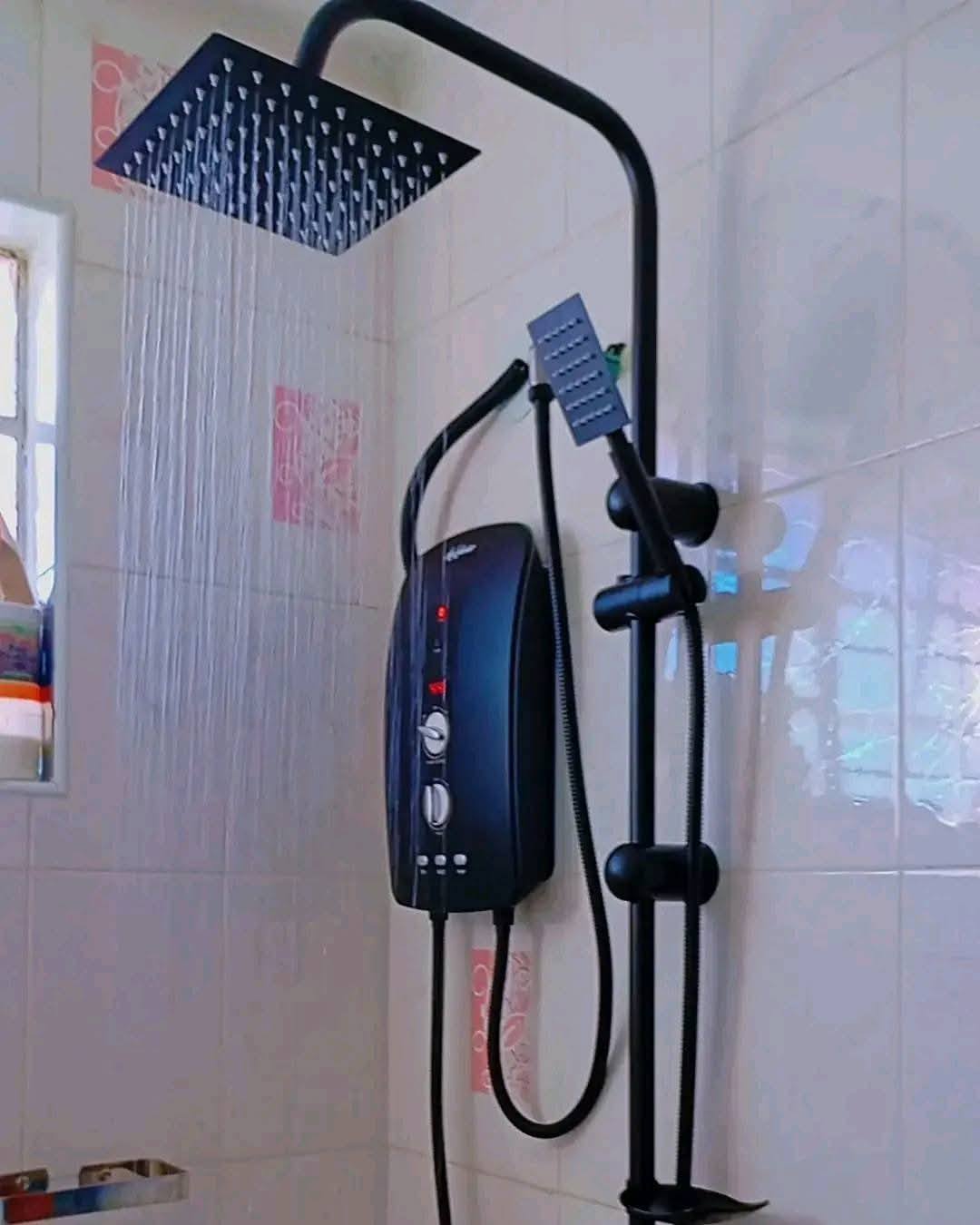
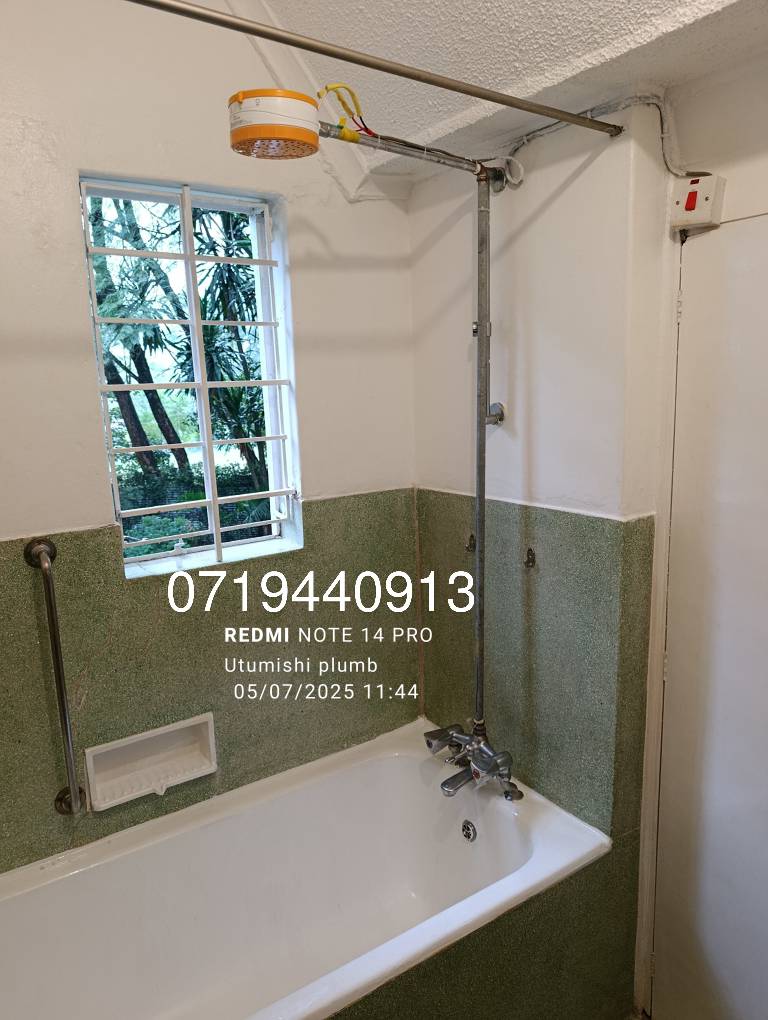
Hot water is one of the biggest issues. Hotels cannot rely on small instant heaters in every room. Many use boilers, solar water heating systems, circulation pumps, and storage tanks. If the system fails, guests complain immediately.
Drainage is another major area. Hotel kitchens produce a lot of grease, especially during conferences, weddings, and busy holiday seasons. If grease traps are not cleaned and drainage lines are not maintained, a blockage can shut down the kitchen at the worst possible time.
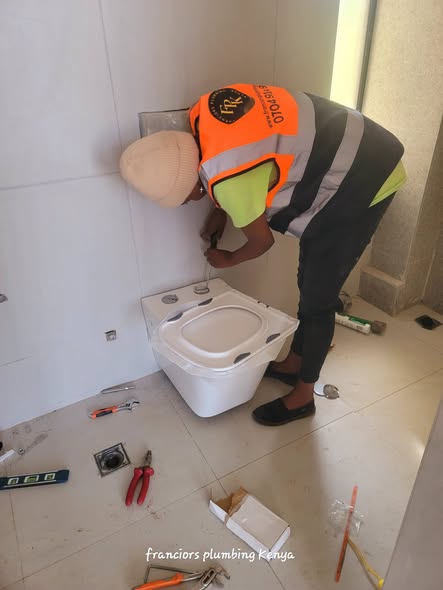
Hotel plumbing also needs neatness. You may work in guest rooms, lobbies, restaurants, or pool areas. Dirty overalls, loud tools, and careless work will not be tolerated. You are not just fixing pipes; you are working inside a business that depends on image and guest experience.
Types of Plumbing Jobs in Hotels and Resorts
Some large hotels employ in-house plumbers. These technicians handle daily maintenance such as leaking taps, blocked toilets, pump checks, water heater issues, and regular inspections. The salary may not always be huge, but the income is steady and the exposure is valuable.
Mid-size hotels and lodges often prefer maintenance contracts. A plumbing company may visit weekly, respond to emergencies, and handle preventive maintenance. These contracts can run for a year or more if the plumber is reliable.
Renovation work is another opportunity. Hotels frequently upgrade bathrooms, replace old pipes, install new fittings, or modernise hot water systems. This work pays better, but it requires planning because the hotel may still be operating while repairs are ongoing.
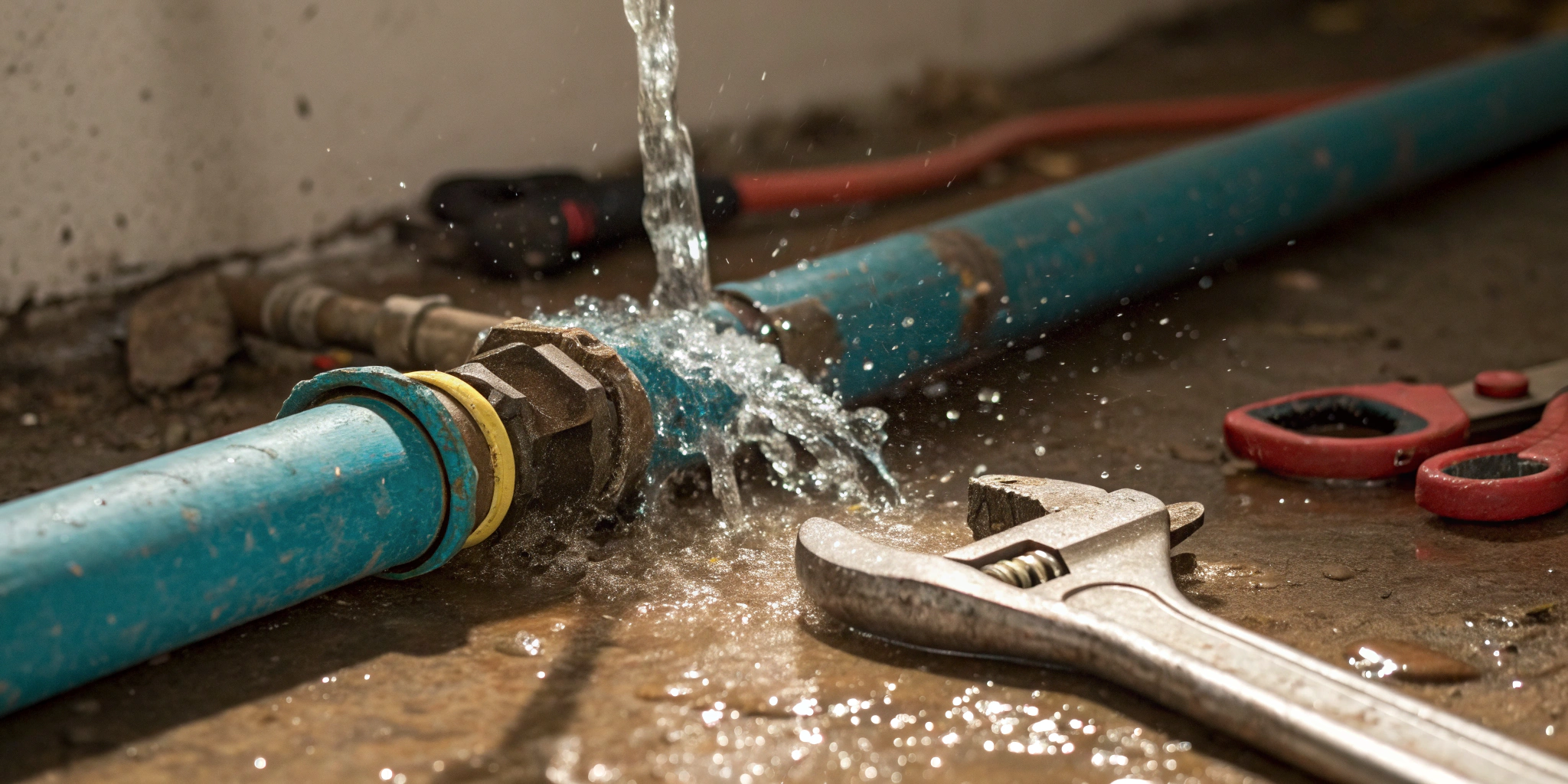
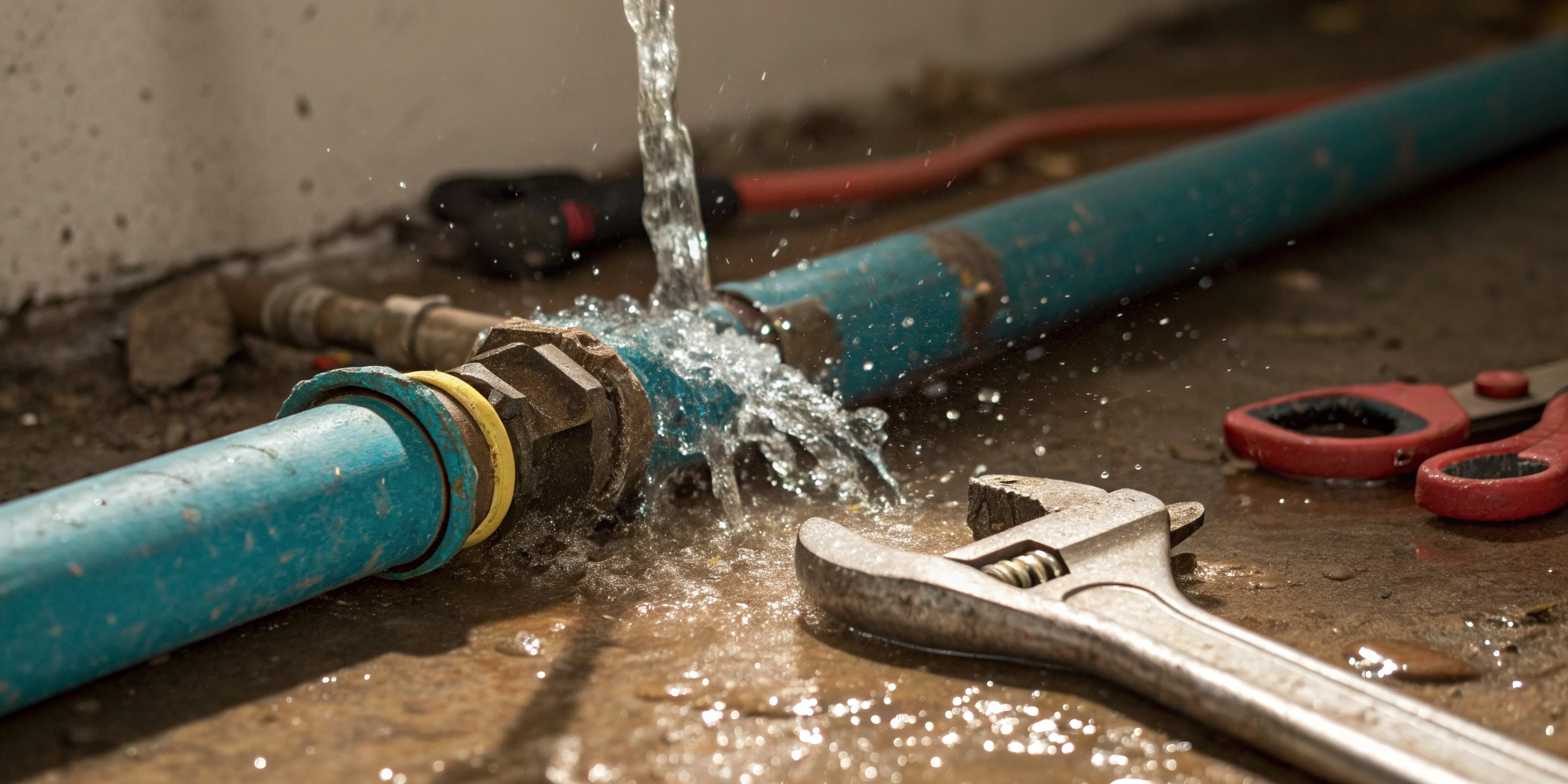
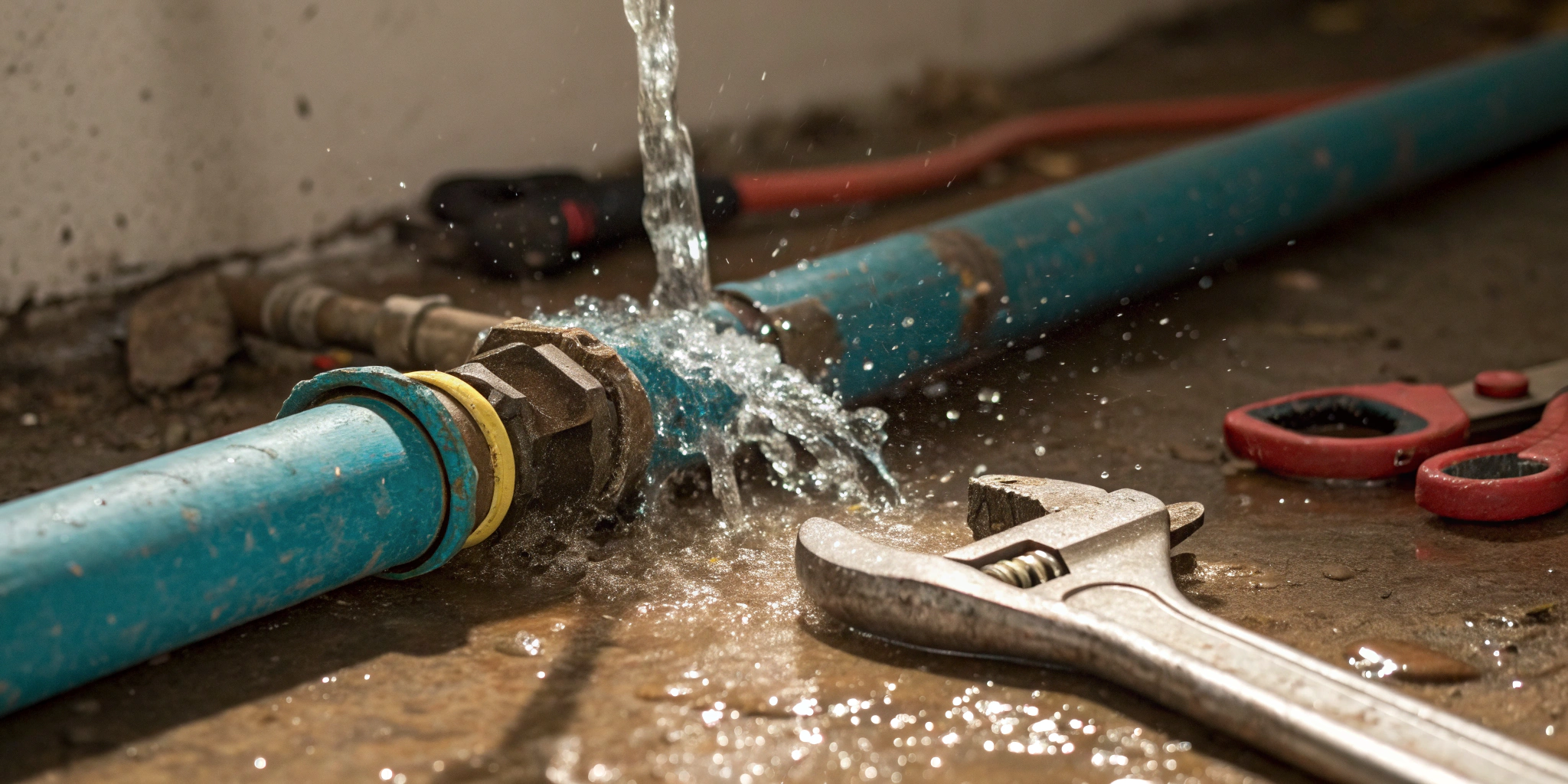
Emergency call-outs also pay well. A burst pipe during a wedding in Naivasha or a blocked sewer line in a coastal resort cannot wait until Monday. Plumbers who answer calls and solve problems quickly are remembered.
Specialised systems offer even better opportunities. Pool plumbing, grease trap maintenance, solar water heating, pump systems, borehole treatment, and bio-digesters are common in hotels and resorts. If you become known for one of these, you can serve several properties in the same region.
Skills Hotels Look For
A NITA or TVET plumbing qualification gives you a good foundation, but hotels often need extra skills.
You should understand hot water circulation, pumps, pressure systems, drainage, grease traps, and water storage. If you can service pumps, troubleshoot solar water heaters, and maintain filtration systems, you become more useful than a plumber who only handles taps and toilets.
Clean workmanship is also important. A hotel room taken out of service costs money. If you damage tiles, scratch fittings, or leave leaks behind, the manager will not call you again.
Communication matters too. Hotel maintenance teams usually work with reports. You may need to write what you repaired, which room was affected, what parts were replaced, and whether follow-up is needed. Simple, clear reporting builds trust.
Health and safety awareness is also key, especially when working around kitchens, guest areas, pools, or water storage systems.
How to Get Hotel Plumbing Work
Start with smaller hotels, guest houses, lodges, and serviced apartments in your area. Walk in professionally and ask for the maintenance manager or operations manager. Carry a short profile with your qualifications, services, photos of past work, and contacts.
Do not aim only for five-star hotels at first. Smaller properties often need reliable plumbers but do not have full-time teams. One good repair can turn into regular work.
Suppliers can also help. Shops that sell pumps, heaters, pool equipment, and plumbing fittings often know which hotels are having problems. Build relationships with them. If they trust your work, they can refer you.
Online visibility helps too. Hotel managers and procurement officers sometimes check online before calling a technician. Having a profile on The Real Plug can help show your experience, reviews, and services in a way that feels more credible than just sending a phone number.
Challenges to Expect
Hotel work is not always easy. You may get calls late at night, during holidays, or when you had planned to rest. Plumbing problems in hospitality rarely wait for a convenient time.
Access can also be controlled. You may need to sign in at security, wear a badge, avoid guest areas, and work only when rooms are empty. If you delay, the hotel may lose bookings.
Payment can be slow, especially with larger hotels that work on 30 or 60-day terms. Before taking contract work, agree on payment terms clearly and make sure you can cover transport, materials, and labour while waiting.
Seasonality is another reality. Coastal hotels may slow down during low seasons. Safari lodges may close for renovations. Do not depend on one hotel alone.
Why Hotel Plumbing Is Worth Pursuing
Hotel plumbing can grow your skills quickly. You deal with systems most domestic plumbers rarely touch: central hot water, grease traps, pools, pumps, filtration units, and commercial drainage.
It also brings repeat work. Hotels always need maintenance. Taps wear out, heaters scale, drains block, pumps fail, and bathrooms get upgraded. If you are reliable, one client can keep calling you for years.
The network is valuable too. Hotel managers move from one property to another. If they trust you, they may recommend you elsewhere. That is how a plumber moves from handling one lodge to serving several hotels across a region.
Final Thoughts
Plumbing opportunities in hotels and resorts in Kenya are real, but they require professionalism. You must be skilled, clean, reliable, and ready to respond when problems come up.
Start small, learn the systems, build relationships with hotel teams and suppliers, and document your work well. Specialise where possible, whether in solar water heating, grease traps, pool plumbing, or pump maintenance.
Guests may never know your name, but when the water is hot, the drains are clear, and the pool is running, your work is part of the experience they paid for.