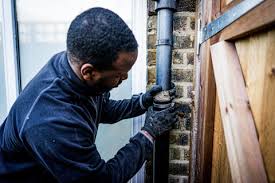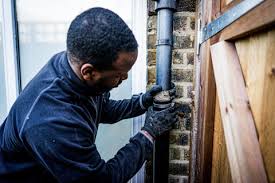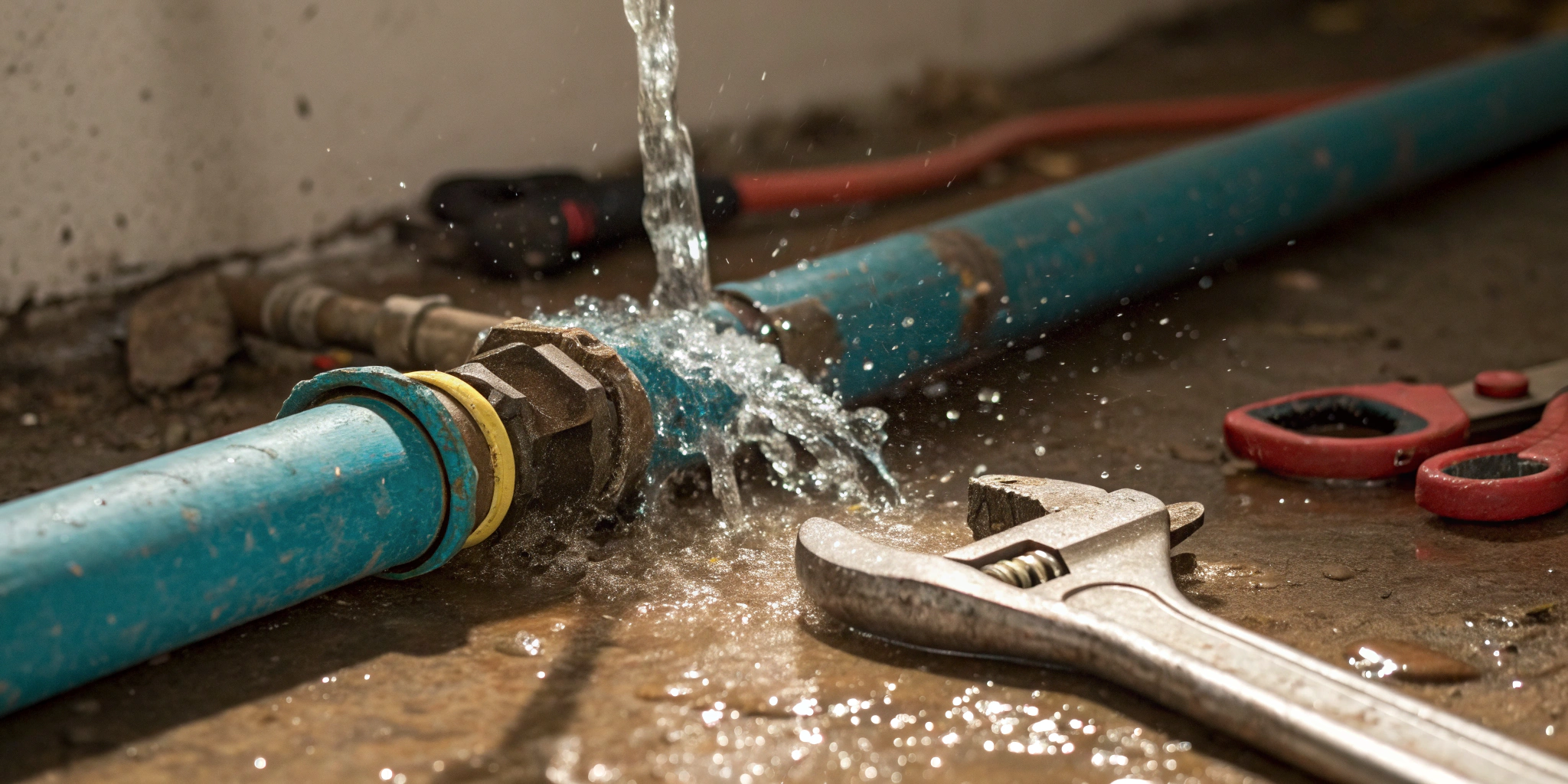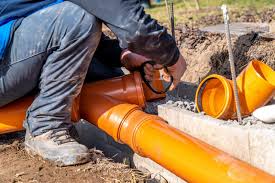


Water treatment plant plumbing is not the first career path most plumbers in Kenya imagine. Many start by thinking of house repairs, apartment blocks, hotels, or small construction sites. Fair enough. That is where most plumbers first learn the trade.
But there is another side of plumbing that is quietly growing: water treatment plants. Counties are upgrading water systems, gated communities are installing borehole treatment units, factories need clean process water, and schools, hospitals, and estates are investing in filtration systems. Behind all that work are plumbers and pipe fitters who understand more than ordinary domestic pipework.
If you are looking for steadier, more technical plumbing work, this is a field worth paying attention to.
What Water Treatment Plant Plumbing Involves
A water treatment plant takes raw water from a river, dam, borehole, or reservoir and makes it safe for use. That process needs pumps, filters, tanks, dosing systems, valves, meters, and plenty of pipework.
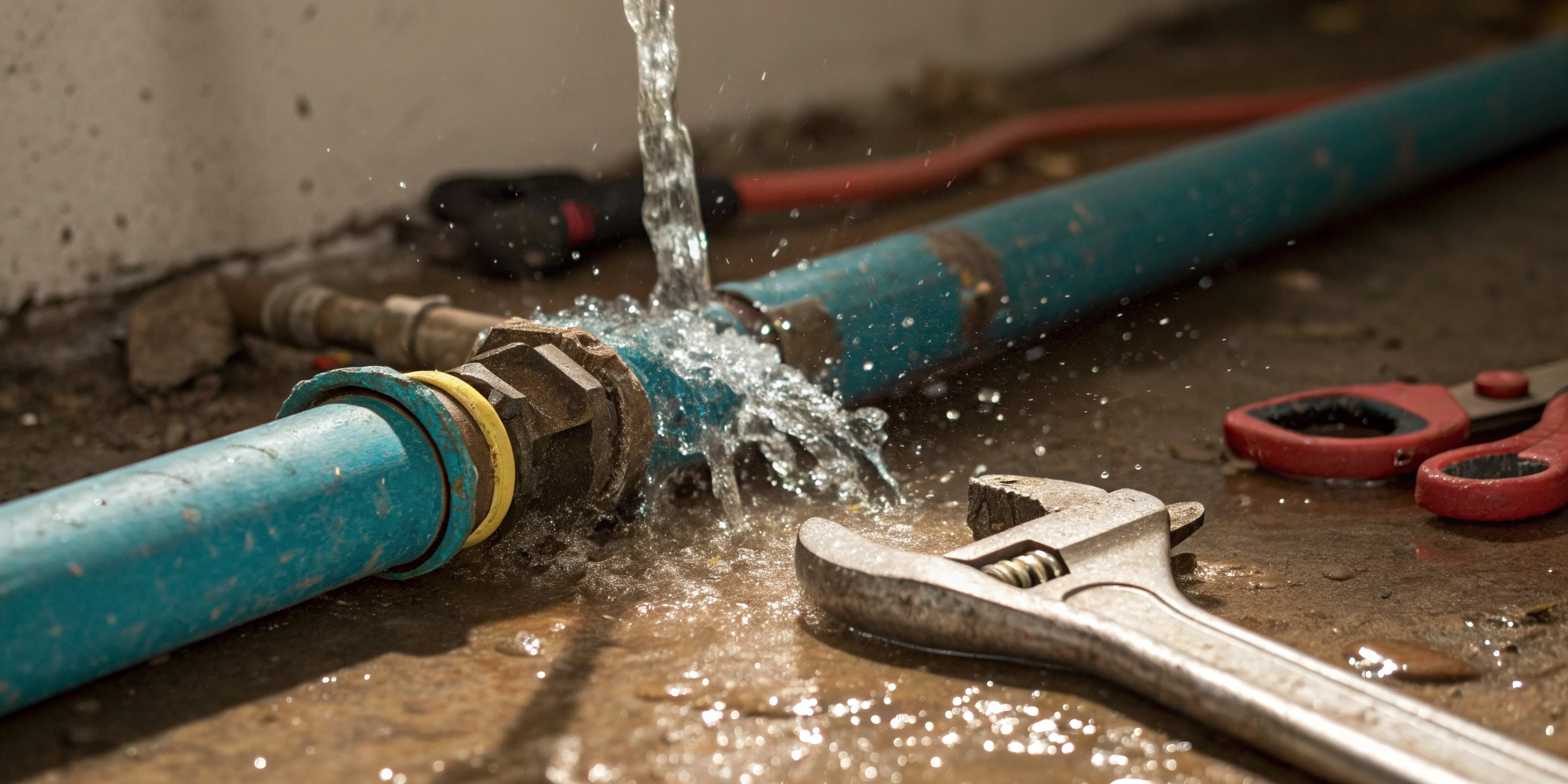
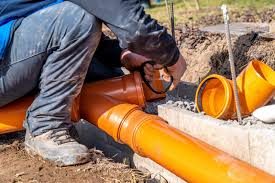
As a plumber or pipe fitter, your work may involve installing large pipes, connecting pumps, fitting valves, setting up chemical dosing lines, repairing leaks, pressure testing systems, and maintaining treatment units.
This is not the same as fixing a leaking tap in a flat. Some pipes are large, heavy, and under serious pressure. You may work with HDPE, PVC, steel, stainless steel, and sometimes chemical-resistant piping. A small mistake can affect water quality, plant operations, or worker safety.
Skills You Need Beyond Normal Plumbing
Basic plumbing training is a good start, but water treatment work needs extra skills.
You should be comfortable reading drawings. Treatment plants use layouts, pipe diagrams, pump details, and sometimes P&ID drawings. If you cannot follow drawings, you will remain at helper level for too long.
Pump knowledge is also important. Plants depend on pumps for raw water intake, treated water distribution, backwashing, dosing, and drainage. Knowing how to install, align, service, and troubleshoot pumps makes you much more useful.
Valve knowledge matters too. Gate valves, butterfly valves, check valves, pressure reducing valves, and flow control valves are common in treatment systems. A plumber who can service valves instead of only replacing them will always be valuable.
Safety is a big part of the job. You may work near chlorine, alum, acids, slippery tanks, confined spaces, and high-pressure lines. PPE, safety induction, lock-out procedures, and proper documentation are not optional.
Where These Jobs Are Found in Kenya
County water companies are a major source of work. Nairobi, Mombasa, Kisumu, Nakuru, Eldoret, and other towns have water service providers that run treatment plants and pumping stations. These institutions need plumbers, pipe fitters, maintenance technicians, and plant operators.
Private estates are another growing market. Many gated communities in Kiambu, Kajiado, Machakos, and parts of Nairobi use boreholes because public water supply can be unreliable. That water often needs filtration, softening, chlorination, or reverse osmosis before use.
Factories, hotels, schools, hospitals, and farms also need treatment systems. A dairy plant, flower farm, hotel in Naivasha, or school in Kitui may all need technicians who can install and maintain water treatment pipework.
NGO and donor-funded projects also create opportunities, especially in rural areas. These projects may not always pay like big contractors, but the experience is valuable and can open doors later.
How to Get Started
Start with a recognised plumbing qualification. NITA Grade II or Grade I, a TVET Craft Certificate, or related training in plumbing and pipe fitting gives you a strong foundation.
After that, add short courses. KEWI is a good place to look for water-related training. Courses in water supply, treatment operations, pump maintenance, welding, HDPE fusion, and safety can make your CV stronger.
Attachment is also important. Apply to county water companies, treatment plants, borehole service companies, or contractors building water projects. Once you get in, take the experience seriously. Ask questions, observe how systems work, and learn the language of the plant.
Sometimes the easiest entry point is through companies that service boreholes and estate water systems. You may start small, but the principles are similar. With time, you can move into larger plants and public infrastructure projects.
What the Work Looks Like Day to Day
On a construction project, your day may begin with a toolbox talk. The supervisor explains the tasks, safety risks, and permits. You may spend the morning aligning pipes to pumps, tightening flanges, installing supports, or testing a section of pipeline.
In maintenance, you may receive a job card for a leaking valve, faulty pump connection, blocked filter line, or damaged dosing pipe. You isolate the line, repair the problem, test it, record the work, and report back.
Some days are calm. Others are pressure-filled because water supply cannot stop for long. If a pump fails or a main line leaks, the plant team must respond quickly.
Pay and Career Growth
Water treatment plant plumbing can pay better than ordinary repair work once you gain experience. Entry-level plumbers may begin modestly, especially in county or contractor roles, but skilled pipe fitters, pump technicians, and plant maintenance workers can earn more through project work and specialised assignments.
There is also room to grow. You can move from plumber to senior technician, supervisor, plant maintenance officer, or project technician. With further training in water engineering, mechanical systems, or plant operations, you can move into management or contracting.
Some experienced plumbers eventually start small companies that maintain borehole systems, pumps, filtration units, and estate treatment plants. At that stage, visibility and trust matter. A profile on The Real Plug can help vetted technicians show their water treatment experience, certifications, and services to estates, companies, and clients looking for reliable professionals.
Challenges to Expect
This work is not always comfortable. Treatment plants can be muddy, wet, hot, and sometimes smelly. You may work near sludge, chemicals, or tanks that need careful handling.
Jobs may also be far from town. A project may take you to Kitui, Baringo, Turkana, Kisii, or the Coast for weeks or months. If you only want Nairobi jobs, you may miss many good opportunities.
Hiring can be slow too. County jobs do not appear every week, and contractors hire when they win projects. It helps to have broader plumbing skills so you can keep working between plant jobs.
Final Thoughts
Water treatment plant plumbing is not glamorous, but it is important work. Clean water depends on people who understand pumps, pipes, valves, pressure, safety, and maintenance.
For plumbers in Kenya who want to grow beyond domestic repairs, this field offers a serious path. It needs training, patience, and willingness to learn, but the rewards can be worth it.
Every town, estate, school, hospital, hotel, and factory needs reliable water. If you build the right skills, water treatment plumbing can give you steady work and a career with real staying power.