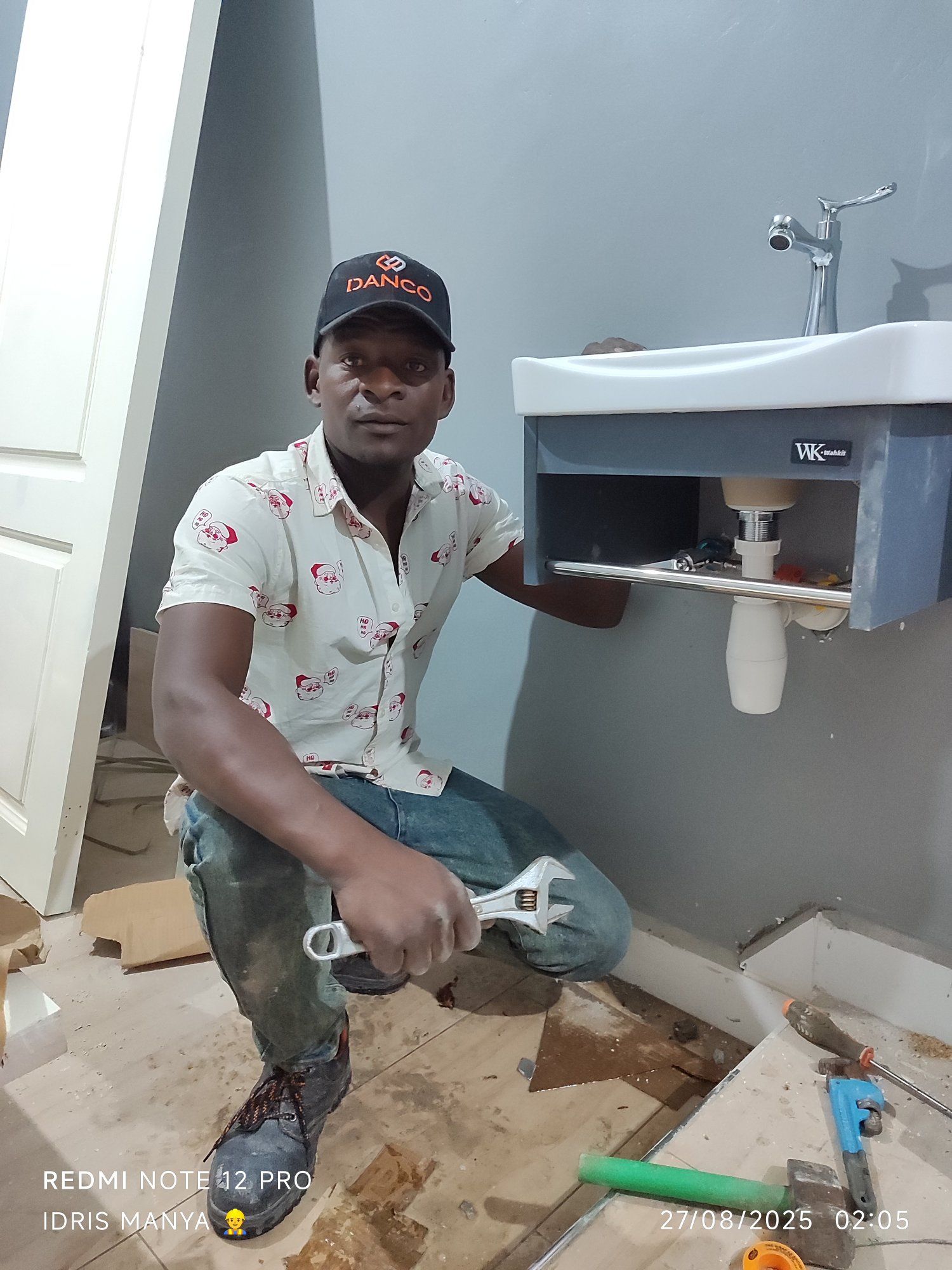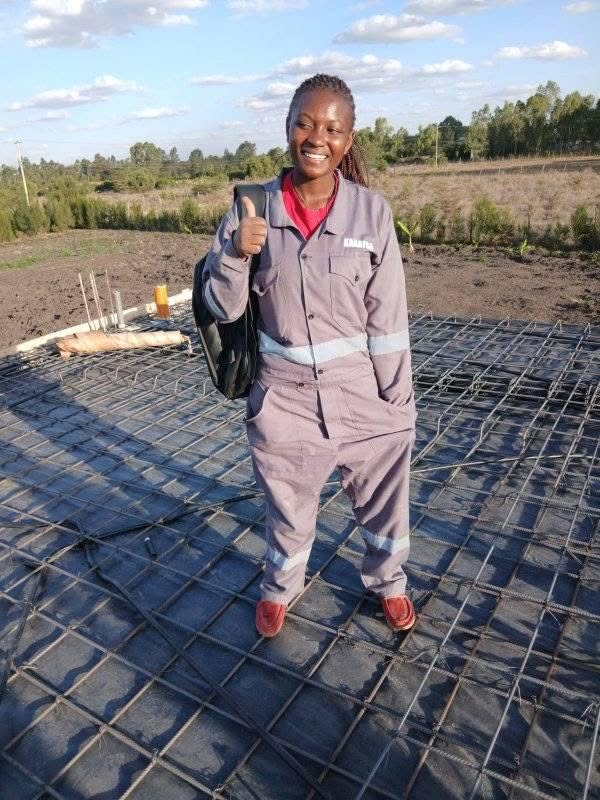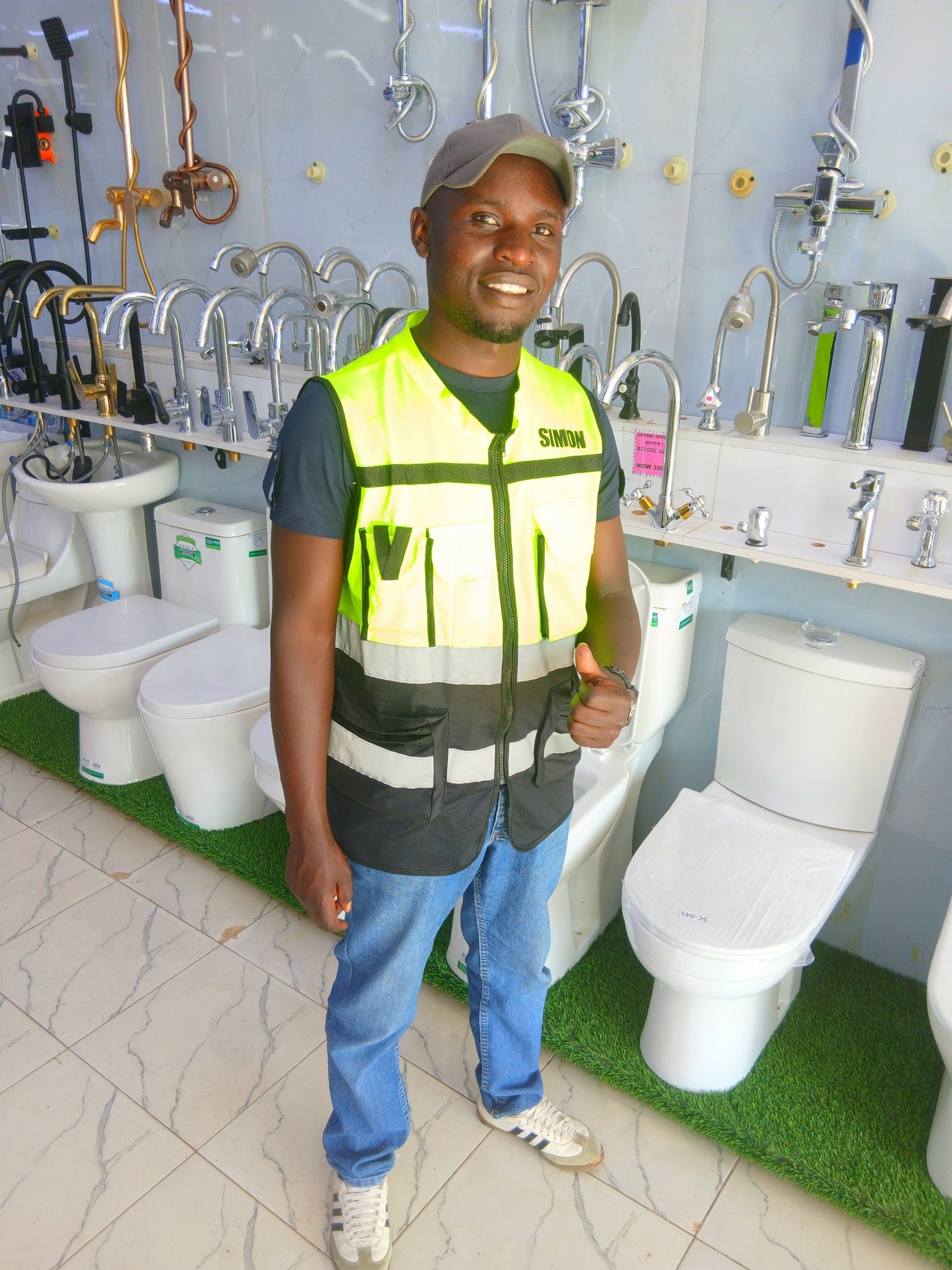


Every few weeks, a plumber somewhere in Kenya gets that familiar WhatsApp message: “Kuna job Dubai, uko interested?” Sometimes it comes from a former classmate. Sometimes from a cousin who knows someone in Qatar. And sometimes, let’s be honest, it comes from a person who has no job to offer, only a plan to eat your money.
Still, plumbing jobs abroad are real. Kenyan plumbers are working in the Gulf, the UK, Canada, Australia, Germany, and other countries. Some started on construction sites in Nairobi, Mombasa, Nakuru, or Eldoret before getting their chance overseas. Others first worked in Qatar or Dubai, saved money, then used that experience to move further.
But going abroad as a plumber is not as simple as carrying your toolbox and boarding a plane. You need the right papers, real experience, patience, and a sharp eye for scams.
Why Kenyan Plumbers Look for Jobs Abroad
For many plumbers, the reason is simple: better pay and wider exposure. In Kenya, plumbing work can be steady, but income is often unpredictable, especially for freelancers. One month you have several apartment jobs in Syokimau or Ruaka. The next month, you are chasing small repairs and delayed payments.
Abroad, especially in organised construction markets, plumbers may get fixed contracts, accommodation, transport, medical cover, and regular pay. That stability is attractive. It also gives plumbers a chance to learn modern systems, work under strict safety standards, and build savings faster if they are disciplined.
Of course, it is not paradise. The work can be tough, the weather harsh, and being away from family is not easy. But for the right person, it can open doors.
Countries That Hire Kenyan Plumbers
The Gulf is the most common destination for many Kenyan plumbers. Countries like the UAE, Qatar, and Saudi Arabia hire plumbers for high-rise buildings, hotels, malls, airports, labour camps, and major construction projects. Most jobs come through recruitment agencies, and contracts usually run for two years.
The pay may not look huge compared to Europe or Canada, but housing and transport are often provided. That means a disciplined plumber can save a good amount. The challenge is that work is fast-paced, the heat is serious, and site rules are strict.
The UK is another option, especially for plumbers with strong qualifications and experience. The process is longer because employers look for recognised skills, English ability, and sometimes sponsorship. Plumbing work there may involve heating systems, boilers, bathrooms, and domestic service jobs.
Canada and Australia also attract skilled tradespeople. These countries have structured licensing systems, so your Kenyan training may need assessment before you work independently. The process can take time and money, but the long-term opportunities are stronger, especially for those aiming to settle permanently.
Germany and other European countries also need skilled tradespeople, but language is a major factor. For Germany, basic German is usually not enough. You may need to reach a recognised language level and have your qualifications assessed before working fully.
What You Need Before Applying
The first thing is certification. A NITA Grade I or Grade II certificate, TVET Craft Certificate, or diploma-level qualification gives you a stronger chance. If you only have experience but no papers, you may still find some Gulf jobs, but your pay and options will likely be limited.
Experience also matters. Employers abroad do not want vague claims like “I have worked for many years.” They want proof. List real projects in your CV. Mention apartments, hotels, commercial sites, water systems, drainage work, pressure testing, pumps, or solar water heating if you have handled them.
Keep your passport updated. For many jobs, your passport should have enough validity left. You may also need medical tests, police clearance, certificate attestation, trade tests, and sometimes English or language exams.
Set aside some money for the process, but be careful. Passport fees, medical tests, Good Conduct, document certification, and transport may cost money. However, anyone asking for a huge upfront payment before showing a real job offer should make you pause.
How to Avoid Fake Agents
This is where many Kenyan workers get hurt. A fake agent will promise quick visas, no interview, no certificates, and guaranteed travel if you pay immediately. That is usually the beginning of a painful story.
Use licensed recruitment agencies where possible. Check whether the agency is registered with the National Employment Authority. Visit their office. Ask for the employer’s name, job description, salary, contract terms, and country details.
Do not send money to random people on Facebook, TikTok, or WhatsApp. A serious opportunity should have documents you can verify. If the agent becomes angry when you ask questions, that is already an answer.
Also talk to plumbers already abroad. A friend working in Doha, Dubai, or Riyadh can often tell you which companies are genuine and which agents to avoid. In this space, real networks are safer than online noise.
What the Work Is Like Abroad
In the Gulf, many plumbing jobs are commercial or construction-based. You may work on towers, hotels, malls, factories, or accommodation blocks. The work can be repetitive, supervised, and fast. Safety rules are taken seriously, and lateness or poor workmanship can cost you the job.
In countries like the UK, Canada, and Australia, plumbing may involve more customer-facing work. You may handle service calls, repairs, installations, renovations, heating systems, and maintenance jobs. Documentation, punctuality, and communication are important.
Living conditions vary. Gulf contracts often include shared accommodation and company transport. It may not be comfortable, but it helps with saving. In Western countries, you usually pay your own rent, which can take a large part of your income at first.
Build Your Profile Before You Leave
If you are serious about working abroad, start preparing while still in Kenya. Take photos of your work. Keep recommendation letters from contractors, clients, or supervisors. Save copies of certificates. Record the sites you have worked on and the systems you handled.
A clean online profile can also help. Agencies and employers sometimes want to see proof beyond a CV. Having your certifications, work photos, and experience visible on The Real Plug can make it easier to present yourself as a vetted professional, especially when someone asks for evidence of your work.
Think of it as your digital portfolio, not a sales pitch. It simply helps people see that you are serious.
Should You Go Abroad or Build in Kenya?
Going abroad is not for everyone. If you already have a growing plumbing business in Kenya, good clients, and steady contracts, leaving may not make sense. Kenya still has plenty of opportunities in construction, hotels, water treatment, boreholes, and maintenance.
But if you are stuck doing small jobs, have strong skills, and want to save or gain international experience, working abroad can be a good move. Some plumbers work in the Gulf for a few years, return with savings, buy tools, register a company, and start bidding for local contracts.
The best approach is to go with a plan. Know why you are leaving, how long you want to stay, how much you want to save, and what you will do when you return.
Final Thoughts
Plumbing jobs abroad can change a Kenyan professional’s life, but only if approached carefully. Get your papers right, build real experience, avoid shortcuts, and verify every opportunity before paying money.
The world needs skilled plumbers, but it rewards those who are prepared. Whether you end up in Dubai, Doha, London, Toronto, or Nairobi, the same rule applies: good workmanship, honesty, and proper documentation will always carry you further.